10/28/2026 4:50:28 PM

What Remains Wild by Chris Navarro

Chris Navarro / Comment on this

What Remains Wild, my first novel, is now here — a Wyoming rodeo cowboy, a wild mustang named Big Man, and a chance at redemption. For more than 40 years, I've made my living as a bronze sculptor, telling stories through my art. I've always believed that a good sculpture should tell a story without saying a word.

Well, now I've decided to tell one with words.

I'm excited to announce the publication of my first novel, What Remains Wild: A Wyoming Cowboy, a Wild Mustang, and a Chance at Redemption.

I've written four nonfiction books over the years, but writing a novel was an entirely different experience. Instead of telling my own story or sharing the inspiration behind my sculptures, I had to create characters, give them lives, put them through difficult situations, and figure out how they would respond.

And I'll tell you something. I became attached to those characters.

A Lifetime Around Horses

I started training horses when I was 12 years old. At 16, I began competing in rodeo, riding saddle broncs and bulls. More than 50 years later, I'm still competing in team roping.

Horses have been a big part of my life.

I've learned that you can make a horse do certain things through force, but you can't force a horse to trust you. Trust has to be earned. It takes patience, understanding, and respect.

And the more I've worked with horses, the more I've realized that people aren't all that different.

That idea became an important part of What Remains Wild.

The Story of Clint Chase and Big Man

My novel follows Clint Chase, a Wyoming rodeo cowboy who lives for the next eight seconds.

He's young, talented, and thinks he has the world by the tail.

Then one terrible decision changes everything.

Clint finds himself in prison, carrying the guilt of what he's done and wondering whether his life will ever amount to anything again.

Eventually, he arrives at the Wyoming Honor Farm, where inmates work with wild mustangs.

There he meets Big Man, a wild horse that has lost his freedom but not his spirit.

Clint knows how to ride a bucking horse. But earning the trust of a wild mustang is something entirely different.

He can't simply climb aboard and ride the buck out of him.

He has to learn patience. He has to learn to listen. And most importantly, he has to learn that trust is something you earn, not something you demand.

As Clint works with Big Man, something begins to change in both of them.

But this isn't just Clint's story.

It's also the story of Mary Johnson, a mother who has suffered a terrible loss and must find a way to keep living when the life she knew has been shattered.

Writing Mary's story was especially difficult for me. There were times when I found myself getting emotional as I worked through what she was experiencing.

I wanted her grief to be real. I didn't want to offer easy answers, because sometimes life doesn't give us any.

Why I Wrote This Book

I've always been drawn to stories about struggle.

Maybe that's because I've experienced plenty of it myself.

When I left my job in the Wyoming oilfields in 1986 to become a full-time artist, I had no guarantee I would succeed. I just had a dream and the determination to chase it.

Over the years, I've learned that life doesn't always turn out the way we plan.

We make mistakes. We face disappointments. We lose people we love.

But I believe what matters most is how we respond when life knocks us down.

That's the heart of What Remains Wild.

It's a story about responsibility, forgiveness, friendship, and the possibility of redemption.

It's also about understanding that some mistakes can never be undone, but that doesn't mean a person has nothing left to give.

A New Chapter in My Life

I've created hundreds of sculptures over the years, and I've always enjoyed the challenge of bringing an idea to life.

Writing this novel was another kind of challenge.

Instead of shaping clay, I was shaping words.

Instead of creating a sculpture people could walk around and admire, I was creating a story I hoped people could step inside and experience.

And I discovered something along the way.

I really enjoy writing fiction.

My hope is that when someone picks up What Remains Wild, they won't want to put it down.

More importantly, I hope the story stays with them long after they've finished reading.

Where to Find the Book

What Remains Wild is available now on Amazon in paperback and Kindle editions.

Paperback: $12.99 Kindle: $4.99

Personally signed paperback copies are expected to be available at Navarro Gallery & Sculpture Garden in Sedona, Arizona, beginning November 16.

I'm also recording the audiobook myself. I wanted listeners to hear the story in my own voice, and I'm looking forward to sharing that version when it's ready.

If you read the book, I'd appreciate hearing what you think. And if you enjoy it, please consider leaving an honest review on Amazon or Goodreads. Reviews help other readers discover the story.

Thank you to everyone who has supported my art and writing over the years. I've always believed that if you have a dream, you ought to go after it.

After 40 years of telling stories in bronze, I'm beginning a new chapter by telling them with words.

Embrace the struggle. No grit, no quit.

Chris Navarro


Read More

9/21/2026 3:01:33 PM

Champion Lane Frost Statue by Chris Navarro

Chris Navarro / Comment on this

At the entrance to the Cheyenne Frontier Days Old West Museum in Cheyenne, Wyoming, a monumental bronze honors a young man who packed a lifetime of riding into twenty-five years. Chris Navarro's Champion Lane Frost has stood in that spot since it was dedicated on July 26, 1993. It measures fifteen feet by eleven feet by nine feet, which makes it one of the largest rodeo tributes in the country and one of the defining pieces in Navarro's career.

For rodeo fans, the monument is a place to stop and stand still for a minute. For collectors of Western bronze sculpture, it is a benchmark for what a single figure can carry emotionally at monumental scale. For anyone who has followed Chris Navarro's work, it is the piece that showed what a sculptor from Wyoming could do when handed a story worth telling at full size. This is the man, the ride, the bronze, and where you can see it.

Who Lane Frost Was

Lane Frost was a world champion bull rider, earning the title in 1987. That single line undersells him. Frost competed in an era when bull riding demanded a combination of balance, timing, and nerve that few riders could sustain across a full season, and he did it well enough to reach the top of the sport while still in his twenties. His name became shorthand for a certain kind of cowboy: quiet, focused, and completely unimpressed with his own reputation.

What set Frost apart was not just the wins. It was the way he carried himself around the bucking chutes and the way he talked about the bulls. Riders who came up alongside him describe a competitor who respected the animal as much as the score. That respect is part of why his story still circulates in rodeo culture more than three decades later, and it is part of why a bronze likeness of him felt necessary rather than decorative.

How Lane Frost Died

Frost lost his life at the age of twenty-five while competing at the 1989 Cheyenne Frontier Days. He was in Cheyenne doing what he had done hundreds of times before, and the sport lost one of its brightest names in the middle of its biggest summer event. The death rippled through rodeo in a way that few athlete losses ever have, partly because of his age and partly because Cheyenne Frontier Days is the kind of event where the whole rodeo family gathers.

That context matters when you look at the monument. This is not a generic tribute placed in an anonymous plaza. It stands at the site of a rodeo he loved, in a city that was part of the last chapter of his life. Visitors who know the history tend to approach the bronze differently than they approach most public art, and that is exactly what a memorial is supposed to do.

How the Monument Came to Be

The Lane Frost statue was self-commissioned, which means it came together through the commitment of people who wanted it to exist rather than through a standard public art selection process. The finished bronze was dedicated on July 26, 1993, roughly four years after Frost's death. Chris Navarro was the sculptor, and the piece became one of his best known monumental works.

If you have spent time around public sculpture, you know that a self-commissioned monument usually carries a different energy than a committee-driven one. There are fewer compromises. The proportions stay honest. The composition is allowed to be direct instead of clever. Champion Lane Frost reads that way. It is a straightforward image of a rider, and its power comes from restraint.
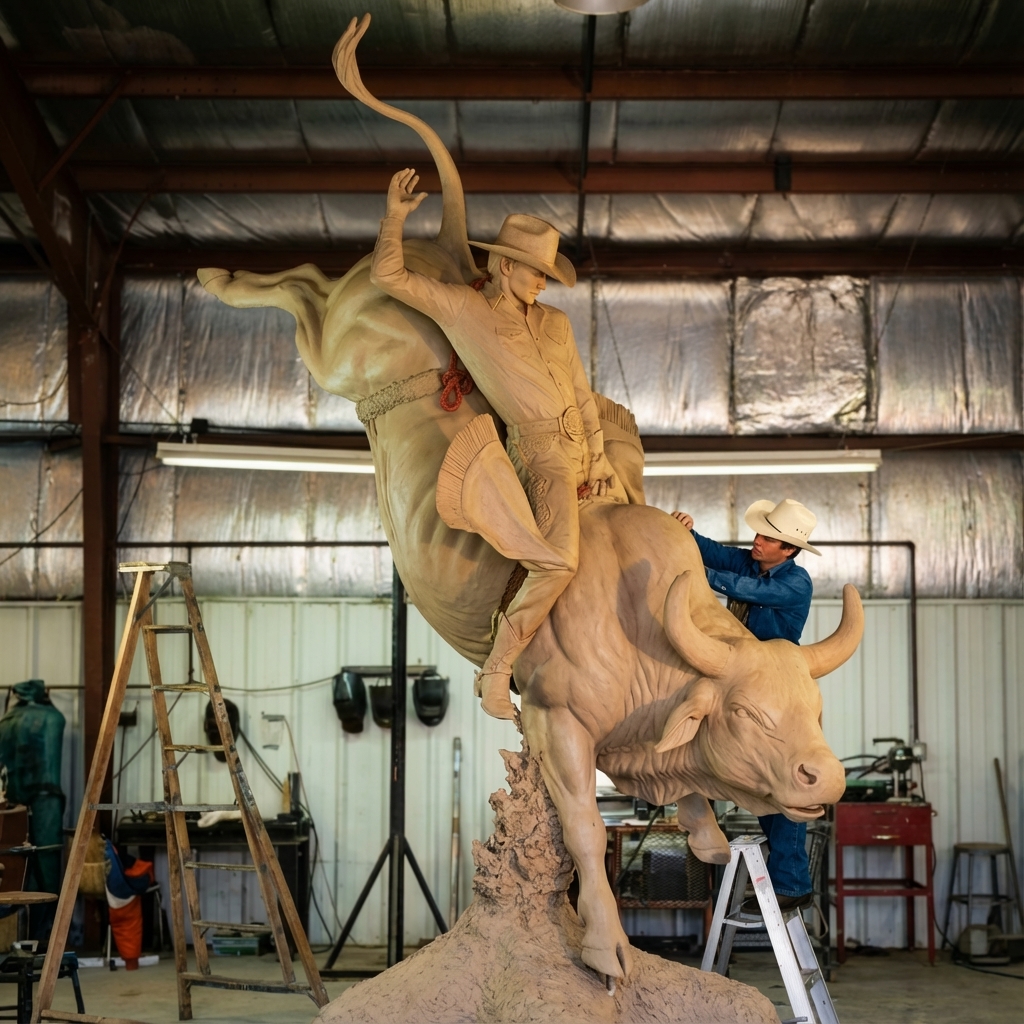
Champion Lane Frost  by Chris Navarro

Inside the Sculpture: Scale, Design, and Meaning

The monumental bronze is fifteen feet by eleven feet by nine feet. That scale is the first thing people notice in person. Photographs flatten it, but standing beside the base, you register how much air the figure occupies and how the piece was built to be seen from a distance across a rodeo grounds as well as up close.

Navarro has written that a quote from Lane has a simple truth. "Don't be afraid to go after what you want to do and what you want to be. But don't be afraid to be willing to pay the price." — Lane Frost Those words still move him. That pairing of image and language is a signature of how Navarro handles tribute pieces. He is not interested in bronze as decoration. He is interested in bronze as a way to hold a person's voice in place so it can keep speaking to whoever walks up next.

Visitors often ask whether the monument was cast as a one-off. The answer is yes for the monumental version, which is why the Cheyenne piece functions as a landmark. Bronze editions at smaller sizes are a separate thing entirely, and Navarro's studio produces those as collectible works rather than as duplicates of the public monument.

Where to See the Lane Frost Statue

The monument is located at the entrance to the Cheyenne Frontier Days Old West Museum in Cheyenne, Wyoming, on the grounds of Frontier Park. It is also documented in the Cheyenne and Laramie County public art collection, which means it has been formally recognized as part of the community's permanent cultural inventory rather than treated as a temporary installation.

Because it sits at the museum entrance, it is one of the easier pieces of public art to visit during a Cheyenne trip. You can pair it with the museum's own collections and with whatever is happening on the rodeo grounds. Hours, admission, and event schedules change from season to season, so check directly with the Cheyenne Frontier Days Old West Museum before you plan your day around it.
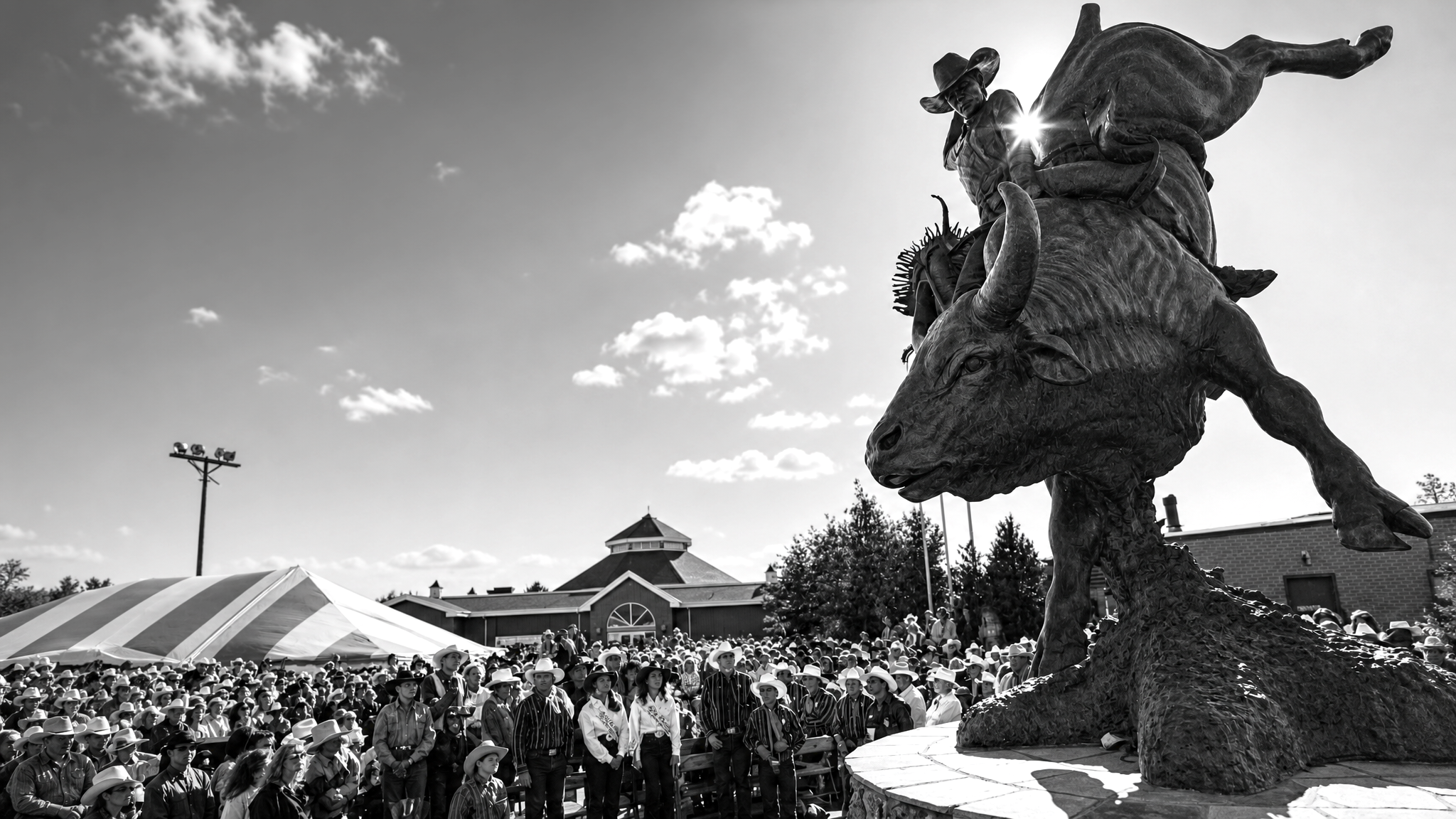
Champion Lane Frost by Chris Navarro dedication

A Smaller Champion Lane Frost Bronze

Collectors who want the piece in their own home should know that a smaller bronze edition of Champion Lane Frost exists within Chris Navarro's body of work. It is listed at fourteen inches by nine inches by six inches, which puts it in the range of a mantel or entry table piece rather than a garden installation. It sits in the same Western bronze sculpture family as the monumental work, just at a human scale.

Availability on edition bronzes shifts as pieces find homes, so the practical move is to check the gallery for current inventory or reach out and ask what is on hand. If you are building a collection around rodeo and Western subjects, this is one of the more meaningful pieces you can add, because the subject carries a story that most bronze figures simply do not have.

More of Chris Navarro's Work in Sedona

Navarro's public commissions extend well beyond Lane Frost. His monumental sculptures include the Champion Lane Frost at Cheyenne Frontier Days, a life-size T. Rex for the Tate Museum in Casper, Wyoming, a sixteen-foot-tall bronze, and a cowboy statue commissioned for the University of Wyoming. A sculptor who can move between a rodeo champion, a dinosaur, and a campus landmark is not working in a single lane, and that range is part of what draws collectors to him.

If you want to see the breadth of it in person, Navarro Gallery Fine Art in Sedona, Arizona is the place. The gallery sits at Tlaquepaque Arts and Crafts Village and includes a sculpture garden where large bronzes can be viewed outdoors the way they were meant to be seen. Alongside Chris Navarro's own Western, wildlife, Native American, and inspirational work, the gallery represents other artists working in oil, watercolor, wood sculpture, jewelry, and photography.

Original work at the gallery spans a wide range, from a few hundred dollars for smaller pieces up to six figures for major bronzes, so there is a legitimate entry point for someone buying their first piece as well as for established collectors. If a Cheyenne visit is not in your near future, a stop in Sedona is the next best way to understand how a monument like Champion Lane Frost comes out of a working studio.

Champion Lane Frost by Chris Navarro  table top version

Why This Bronze Still Matters

Public sculpture succeeds or fails on whether people choose to return to it. The Lane Frost memorial has been drawing visitors since 1993, and much of that staying power comes from how little it tries to do. There is no crowd of figures, no heavy symbolism, no plaque doing the emotional work for you. There is a rider, in bronze, at the entrance to a museum dedicated to the sport that shaped him.

For a collector, that is also the argument for owning a Navarro bronze. The same discipline that keeps a fifteen-foot monument from becoming busy is what makes the smaller works hold up on a shelf year after year. Whether you are planning a trip to Cheyenne, browsing Western bronze sculptures for sale, or simply want to stand in front of a piece that has outlasted everyone's expectations, Champion Lane Frost is worth the detour.

Frequently Asked Questions

Where is the Lane Frost statue located?

The monument stands at the entrance to the Cheyenne Frontier Days Old West Museum in Cheyenne, Wyoming, on the Frontier Park grounds. It has been in place since its dedication on July 26, 1993, and it is also listed in the Cheyenne and Laramie County public art collection. Check the museum's current hours and event schedule before your visit, since Frontier Park gets busy during rodeo season.

Who sculpted the Lane Frost monument in Cheyenne?

Chris Navarro created the bronze, which is titled Champion Lane Frost and measures fifteen feet by eleven feet by nine feet. The project was self-commissioned rather than awarded through a public art selection process. It remains one of Navarro's best known monumental works, alongside a life-size T. Rex for the Tate Museum in Casper, Wyoming and a cowboy statue for the University of Wyoming.

When was the Lane Frost statue dedicated?

The bronze was dedicated on July 26, 1993, about four years after Lane Frost lost his life at the age of twenty-five while competing at the 1989 Cheyenne Frontier Days. The placement at the Old West Museum entrance was deliberate, putting the memorial at the site of the rodeo where his career ended and where the sport still gathers each summer.

Can I buy a smaller Lane Frost bronze by Chris Navarro?

Yes, a smaller bronze edition of Champion Lane Frost is part of Navarro's body of work, listed at fourteen inches by nine inches by six inches. Because edition bronzes sell over time, availability changes, so contact Navarro Gallery Fine Art in Sedona, Arizona to ask what is currently on hand and to confirm pricing for the piece you have in mind.

Where can I see more of Chris Navarro's sculpture?

Navarro Gallery Fine Art in Sedona, Arizona displays his bronze work along with pieces by other represented artists. The gallery is located at Tlaquepaque Arts and Crafts Village and includes a sculpture garden for viewing larger bronzes outdoors. A visit there is the most direct way to see the range of Navarro's Western, wildlife, Native American, and inspirational work outside of his public commissions.


Read More

9/14/2026 12:24:15 PM

Buffalo Bill Art Show & Quick Draw — Chris Navarro Returns for His 38th Year

Chris Navarro / 1 Comment

I'll be back in Cody, Wyoming for the 45th Annual Buffalo Bill Art Show & Quick Draw, September 24–26 at the Buffalo Bill Center of the West. This is my 38th year showing at the event and my 36th year in the Quick Draw — and it is still my favorite show of all.

The Quick Draw is the fastest 90 minutes of my life. You set up in front of the crowd, sculpt the piece from start to finish, and when the clock runs out the piece goes up for sale. Last year I created "Wild Duet." This year I plan to sculpt a Bighorn Ram and a Bluebird.

My auction sculpture for this year's show is "Medicine Dog Warrior." It is a piece I have put a lot of thought into, and I am proud to have it in the auction. [LINK: "See Medicine Dog Warrior" → your Medicine Dog Warrior artwork page]

Forty-five years is a long time for any art event to last, and the Buffalo Bill Art Show & Quick Draw is still drawing the best Western artists and collectors in the country. The Buffalo Bill Center of the West is the right home for it — it sits in the heart of Cody, surrounded by the history that inspired so much of my work. If you are going to be in Cody, stop by and say hi. I would love to meet you. chrisnavarro.com

See more of my bronze work." www.chrisnavarro.com


Read More

9/13/2026 6:46:05 PM

Lane Frost Statue — The Story Behind My First Monumental Bronze

Chris Navarro / Comment on this

At the entrance to the Cheyenne Frontier Days Old West Museum in Cheyenne, Wyoming, a monumental bronze honors a young man who packed a lifetime of riding into twenty-five years. Chris Navarro's Champion Lane Frost has stood in that spot since it was dedicated on July 26, 1993. It measures fifteen feet by eleven feet by nine feet, which makes it one of the largest rodeo tributes in the country and one of the defining pieces in Navarro's career.

For rodeo fans, the monument is a place to stop and stand still for a minute. For collectors of Western bronze sculpture, it is a benchmark for what a single figure can carry emotionally at monumental scale. For anyone who has followed Chris Navarro's work, it is the piece that showed what a sculptor from Wyoming could do when handed a story worth telling at full size. This is the man, the ride, the bronze, and where you can see it.

Who Lane Frost Was

Lane Frost was a world champion bull rider, earning the title in 1987. That single line undersells him. Frost competed in an era when bull riding demanded a combination of balance, timing, and nerve that few riders could sustain across a full season, and he did it well enough to reach the top of the sport while still in his twenties. His name became shorthand for a certain kind of cowboy: quiet, focused, and completely unimpressed with his own reputation.

What set Frost apart was not just the wins. It was the way he carried himself around the bucking chutes and the way he talked about the bulls. Riders who came up alongside him describe a competitor who respected the animal as much as the score. That respect is part of why his story still circulates in rodeo culture more than three decades later, and it is part of why a bronze likeness of him felt necessary rather than decorative.

How Lane Frost Died

Frost lost his life at the age of twenty-five while competing at the 1989 Cheyenne Frontier Days. He was in Cheyenne doing what he had done hundreds of times before, and the sport lost one of its brightest names in the middle of its biggest summer event. The death rippled through rodeo in a way that few athlete losses ever have, partly because of his age and partly because Cheyenne Frontier Days is the kind of event where the whole rodeo family gathers.

That context matters when you look at the monument. This is not a generic tribute placed in an anonymous plaza. It stands at the site of a rodeo he loved, in a city that was part of the last chapter of his life. Visitors who know the history tend to approach the bronze differently than they approach most public art, and that is exactly what a memorial is supposed to do.

How the Monument Came to Be

The Lane Frost statue was self-commissioned, which means it came together through the commitment of people who wanted it to exist rather than through a standard public art selection process. The finished bronze was dedicated on July 26, 1993, roughly four years after Frost's death. Chris Navarro was the sculptor, and the piece became one of his best known monumental works.

If you have spent time around public sculpture, you know that a self-commissioned monument usually carries a different energy than a committee-driven one. There are fewer compromises. The proportions stay honest. The composition is allowed to be direct instead of clever. Champion Lane Frost reads that way. It is a straightforward image of a rider, and its power comes from restraint.

Champion Lane Frost  by Chris Navarro

Inside the Sculpture: Scale, Design, and Meaning

The monumental bronze is fifteen feet by eleven feet by nine feet. That scale is the first thing people notice in person. Photographs flatten it, but standing beside the base, you register how much air the figure occupies and how the piece was built to be seen from a distance across a rodeo grounds as well as up close.

Navarro has written that a quote from Lane has a simple truth. "Don't be afraid to go after what you want to do and what you want to be. But don't be afraid to be willing to pay the price." — Lane Frost Those words still move him. That pairing of image and language is a signature of how Navarro handles tribute pieces. He is not interested in bronze as decoration. He is interested in bronze as a way to hold a person's voice in place so it can keep speaking to whoever walks up next.

Visitors often ask whether the monument was cast as a one-off. The answer is yes for the monumental version, which is why the Cheyenne piece functions as a landmark. Bronze editions at smaller sizes are a separate thing entirely, and Navarro's studio produces those as collectible works rather than as duplicates of the public monument.

Where to See the Lane Frost Statue

The monument is located at the entrance to the Cheyenne Frontier Days Old West Museum in Cheyenne, Wyoming, on the grounds of Frontier Park. It is also documented in the Cheyenne and Laramie County public art collection, which means it has been formally recognized as part of the community's permanent cultural inventory rather than treated as a temporary installation.

Because it sits at the museum entrance, it is one of the easier pieces of public art to visit during a Cheyenne trip. You can pair it with the museum's own collections and with whatever is happening on the rodeo grounds. Hours, admission, and event schedules change from season to season, so check directly with the Cheyenne Frontier Days Old West Museum before you plan your day around it.

Champion Lane Frost by Chris Navarro dedication

A Smaller Champion Lane Frost Bronze

Collectors who want the piece in their own home should know that a smaller bronze edition of Champion Lane Frost exists within Chris Navarro's body of work. It is listed at fourteen inches by nine inches by six inches, which puts it in the range of a mantel or entry table piece rather than a garden installation. It sits in the same Western bronze sculpture family as the monumental work, just at a human scale.

Availability on edition bronzes shifts as pieces find homes, so the practical move is to check the gallery for current inventory or reach out and ask what is on hand. If you are building a collection around rodeo and Western subjects, this is one of the more meaningful pieces you can add, because the subject carries a story that most bronze figures simply do not have.

More of Chris Navarro's Work in Sedona

Navarro's public commissions extend well beyond Lane Frost. His monumental sculptures include the Champion Lane Frost at Cheyenne Frontier Days, a life-size T. Rex for the Tate Museum in Casper, Wyoming, a sixteen-foot-tall bronze, and a cowboy statue commissioned for the University of Wyoming. A sculptor who can move between a rodeo champion, a dinosaur, and a campus landmark is not working in a single lane, and that range is part of what draws collectors to him.

If you want to see the breadth of it in person, Navarro Gallery Fine Art in Sedona, Arizona is the place. The gallery sits at Tlaquepaque Arts and Crafts Village and includes a sculpture garden where large bronzes can be viewed outdoors the way they were meant to be seen. Alongside Chris Navarro's own Western, wildlife, Native American, and inspirational work, the gallery represents other artists working in oil, watercolor, wood sculpture, jewelry, and photography.

Original work at the gallery spans a wide range, from a few hundred dollars for smaller pieces up to six figures for major bronzes, so there is a legitimate entry point for someone buying their first piece as well as for established collectors. If a Cheyenne visit is not in your near future, a stop in Sedona is the next best way to understand how a monument like Champion Lane Frost comes out of a working studio.

Champion Lane Frost by Chris Navarro  table top version

Why This Bronze Still Matters

Public sculpture succeeds or fails on whether people choose to return to it. The Lane Frost memorial has been drawing visitors since 1993, and much of that staying power comes from how little it tries to do. There is no crowd of figures, no heavy symbolism, no plaque doing the emotional work for you. There is a rider, in bronze, at the entrance to a museum dedicated to the sport that shaped him.

For a collector, that is also the argument for owning a Navarro bronze. The same discipline that keeps a fifteen-foot monument from becoming busy is what makes the smaller works hold up on a shelf year after year. Whether you are planning a trip to Cheyenne, browsing Western bronze sculptures for sale, or simply want to stand in front of a piece that has outlasted everyone's expectations, Champion Lane Frost is worth the detour.

Frequently Asked Questions

Where is the Lane Frost statue located?

The monument stands at the entrance to the Cheyenne Frontier Days Old West Museum in Cheyenne, Wyoming, on the Frontier Park grounds. It has been in place since its dedication on July 26, 1993, and it is also listed in the Cheyenne and Laramie County public art collection. Check the museum's current hours and event schedule before your visit, since Frontier Park gets busy during rodeo season.

Who sculpted the Lane Frost monument in Cheyenne?

Chris Navarro created the bronze, which is titled Champion Lane Frost and measures fifteen feet by eleven feet by nine feet. The project was self-commissioned rather than awarded through a public art selection process. It remains one of Navarro's best known monumental works, alongside a life-size T. Rex for the Tate Museum in Casper, Wyoming and a cowboy statue for the University of Wyoming.

When was the Lane Frost statue dedicated?

The bronze was dedicated on July 26, 1993, about four years after Lane Frost lost his life at the age of twenty-five while competing at the 1989 Cheyenne Frontier Days. The placement at the Old West Museum entrance was deliberate, putting the memorial at the site of the rodeo where his career ended and where the sport still gathers each summer.

Can I buy a smaller Lane Frost bronze by Chris Navarro?

Yes, a smaller bronze edition of Champion Lane Frost is part of Navarro's body of work, listed at fourteen inches by nine inches by six inches. Because edition bronzes sell over time, availability changes, so contact Navarro Gallery Fine Art in Sedona, Arizona to ask what is currently on hand and to confirm pricing for the piece you have in mind.

Where can I see more of Chris Navarro's sculpture?

Navarro Gallery Fine Art in Sedona, Arizona displays his bronze work along with pieces by other represented artists. The gallery is located at Tlaquepaque Arts and Crafts Village and includes a sculpture garden for viewing larger bronzes outdoors. A visit there is the most direct way to see the range of Navarro's Western, wildlife, Native American, and inspirational work outside of his public commissions.


Read More

9/7/2026 10:18:50 AM

Wind Turbine Blades to Art and Snow Fences: A Second Life for Retired Blades in Wyoming

Chris Navarro / Comment on this

Wind Turbine Blades to Snow Fences: A Second Life for Retired Blades in Wyoming

A wind turbine blade is built to withstand some of the most demanding forces on earth. For roughly 20 to 25 years, it endures Wyoming's wind, ice, heat, cold, and constant load reversal. It bends millions of times without failing. It is engineered to be strong, lightweight, and extraordinarily durable. Those qualities make it an engineering success. But when the blade reaches the end of its useful life on a turbine, those same qualities become a disposal problem. A blade is not ordinary waste. Most modern blades are made from glass fibers locked into cured epoxy resin. Once that thermoset material is cured, it cannot simply be melted down and reshaped. The glass and resin become a permanent composite structure. Landfill equipment is designed to crush and compact waste. A wind turbine blade was designed to resist exactly that. And that is how Wyoming ended up with more than 1,100 turbine blades buried in a landfill trench. Burial is not a solution. It is an endpoint.

Blades from wind farms around Glenrock, Arlington, Saratoga, and Hanna were transported to a regional landfill outside Casper. Each blade was cut into three sections, roughly 40 feet long, so the pieces could be transported and placed in the landfill. The sections were nested together to reduce the enormous amount of space they required. Even after being cut and nested, they consumed tremendous landfill capacity. The blades did not end up there because they were worthless. They ended up there because we had not yet developed enough practical, economical ways to give them a second life. Recycling is possible, but it comes with its own challenges. Some facilities shred blades into small pieces that can be used in industrial processes such as cement production. But transportation is expensive because a blade is both extremely bulky and relatively low in material value. Other technologies are being developed to separate the glass fibers and resin. Those technologies may become important in the future.

But there is another answer that does not require destroying the blade at all. Use the blade for what it was already designed to do: withstand the wind. What if we stop thinking of a blade as waste? Instead of asking, "How do we destroy this blade?" we should also ask: "What can this blade become?" In Wyoming, one obvious answer is a snow fence. A traditional snow fence is designed to interrupt the wind, slow drifting snow, and cause snow to accumulate where we want it rather than across roads, highways, railways, and open areas. A wind turbine blade is already an enormous aerodynamic structure engineered specifically to interact with wind.


Instead of grinding it into four-inch pieces or burying it in a landfill, sections of retired blades can be repurposed as durable snow-control structures. The blade doesn't have to be destroyed. It doesn't have to be melted. It doesn't have to become powder. It can become something useful. Something visible. Something built to last.

From a problem to a purpose. This is the fundamental idea behind repurposing wind turbine blades as snow fences. The material that makes a blade difficult to dispose of becomes an advantage. Its strength becomes an advantage. Its resistance to weather becomes an advantage. Its enormous size becomes an advantage. Its aerodynamic shape becomes an advantage. What was once considered waste can become infrastructure. And in Wyoming, where wind and blowing snow are a fact of life, that second life makes sense. Rather than burying a blade where nobody can see it and nothing useful comes from it, we can put that same material back into the environment in a purposeful way. We can use it to manage snow. We can use it to protect roads and communities. We can use it to create public art. And we can use it to tell a larger story about how something at the end of one life can find meaning and purpose in another.

We already know a blade can be cut. We know it can be shredded. We know it can be buried. We know some of it can be processed through industrial systems. But destruction should not automatically be our definition of recycling. Sometimes the better answer is repurposing. Keep the material intact. Keep the energy and resources already invested in making it. Keep the strength. Keep the character. And give it a new job. A retired wind turbine blade does not have to become landfill waste simply because it can no longer generate electricity. It can become a snow fence. It can become a bridge. It can become public art. It can become architecture. It can become something that serves the community for decades after its first life is over. That is a different way of thinking about sustainability. The wind gave these blades their first life. Wyoming can give them their second. The turbine blades were built to withstand the wind. Rather than burying that strength underground, we should find ways to put it back to work. Repurposing wind turbine blades as snow fences isn't just an alternative to burial. It is an opportunity to turn a difficult waste problem into a practical resource. The question is no longer: "How do we get rid of these blades?" The better question is: "What can we build with them?"

— Chris Navarro, sculptor of Wall of Renewal, an 8 x 120 ft sculpture and snow fence  built from reclaimed wind turbine blades and featuring the Windborne Wyoming Mustangs mural.


Read More

9/3/2026 12:19:29 PM

Western Bronze Sculptures for Sale: A First-Time Collector's Guide

Chris Navarro / Comment on this

For more than forty years, I have watched collectors discover the pull of Western bronze sculpture. In my gallery and sculpture garden in Sedona, Arizona, people pause before a piece and lose themselves in a moment the artist chose to freeze in metal. Good Western sculpture does not just decorate a room. It brings a story into the space. If you are starting a collection, this guide can help you buy with confidence. Chris Navarro western bronzes for sale  Western bronzes by Chris Navarro


The market for western bronze sculptures for sale is wider than most new collectors expect. There are desktop bronzes for a study, wall-hanging pieces, life-size statues for entryways and gardens, and monumental works for public spaces. Prices stretch from a few hundred dollars to six figures. That range means nearly every collector has an entry point.

I have spent four decades working in bronze and completed 42 public art projects. Commissions such as the cowboy statue at the University of Wyoming began with a powerful idea, the same place every collection starts. Here are the practical details I wish every first-time buyer knew.

Why Western Bronze Sculpture Endures

Western bronzes belong to one of the oldest traditions in American sculpture. Remington and Charlie Russell shaped the genre more than a century ago, and their subjects still appear in galleries through originals and reproductions. The cowboy and horse, including celebrated images such as the Bronco Buster, became a lasting visual language for the West, and contemporary sculptors carry it forward in editions honoring Native American heritage, frontier legends, ranchers, and wildlife.

Today the genre is remarkably broad. Collectors can find decorative bronze-finished pieces, reproductions mounted on walnut bases, and original limited editions by living artists.

Start with a Clear Picture of Your Collection

Choose the Setting

The best bronze purchase begins with an honest look at the room, entryway, garden, or office where the piece will live. A desktop sculpture suits a study or reception area. A larger original piece can anchor a living room. Monumental bronzes are built for the outdoors, where they hold their own against open sky. Wall-hanging bronzes offer another option for bringing Western art into a home without floor space for a freestanding piece.

Follow the Stories That Move You

Western bronze subjects include cowboys on bucking horses, riders at rest, Native American figures, frontier legends, and wildlife. There is no wrong starting point. Buy the piece that keeps pulling your eye back. When a sculpture stirs an emotional response the first time you see it, trust that reaction.

Set a Comfortable Budget

New collectors often feel unsure what to spend, and for good reason. At Navarro Gallery Fine Art, original works range from about $300. for smaller pieces to $110,000 for monumental sculptures. Whatever range feels right, be direct about your budget. An honest conversation helps a gallery point you toward pieces that fit your collecting goals.

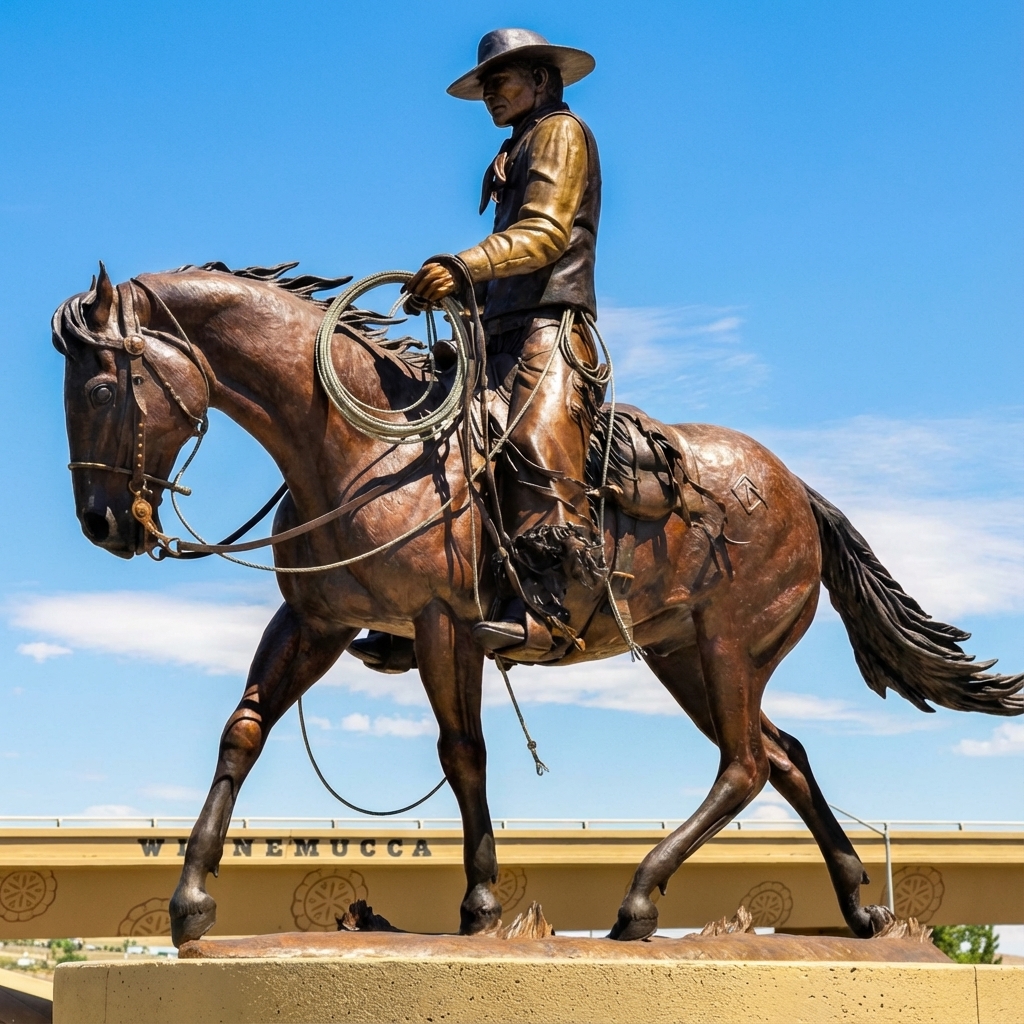
cowboy statue bronze Born A Buckaroo by Chris Navarro for Winnemucca Nevada

What to Look For When You Shop

When you compare western bronze sculptures for sale, you are weighing the artistry of the design, the quality of the casting, and the integrity of the edition. New collectors often focus on subject first, but experienced buyers look at proportion, line, balance, and emotion. Get close to the piece. Study the horse's face, the drape of a rider's coat, the tension in a rope. In quality bronze, nothing feels accidental.

Limited Editions and Certificates of Authenticity

Original bronze sculptures are normally cast in limited editions with a fixed number of pieces. A reputable seller provides a signed certificate of authenticity for every limited edition. If a gallery cannot explain the edition size or supply that documentation, treat it as a warning. Original cast bronze is serious craft, and honest sellers put the facts in writing.

Examine the Patina

Patina is the color layer that finishes a bronze surface, ranging from warm earth tones to deep browns, greens, and subtle highlights. A beautiful patina is a large part of why bronze feels alive rather than merely metallic. Study how light plays across the surface. Be cautious with pieces described as bronze-finished, a phrase that often signals a decorative coating rather than a true patina.

Look at the Details

Walk around the sculpture when you can and notice how its silhouette changes. Examine hands, saddle leather, facial features, and hair. Are the edges clean? Does the horse's anatomy feel believable? When buying online, ask for close-up photographs or video from several angles so you can judge the craftsmanship before committing.

Questions to Ask Any Seller

A good gallery welcomes questions, and the answers tell you as much about the seller as the sculpture. Start here:

  • Is this an original limited edition or a reproduction?

  • How many pieces are in the edition?

  • Does it include a signed certificate of authenticity?

  • Was it designed for indoor or outdoor display?

  • What is the artist's background?

  • Do you accept commissions?

Original Bronze or Decorative Reproduction?

New collectors often meet the phrase bronze-finished. It describes objects that imitate bronze with surface coatings rather than pieces actually cast in bronze. Bronze-finished pieces can be attractive and affordable decor, but they are not original art. The market also includes reproductions of classic Remington and Charlie Russell subjects mounted on walnut bases. A reproduction can honor a historic design, yet it deserves a different price and place in a collection than an original edition.

The question every collector should ask is simple: am I buying original art, a tribute, or decor? Ask until the answer is clear. It will protect you from overpaying.

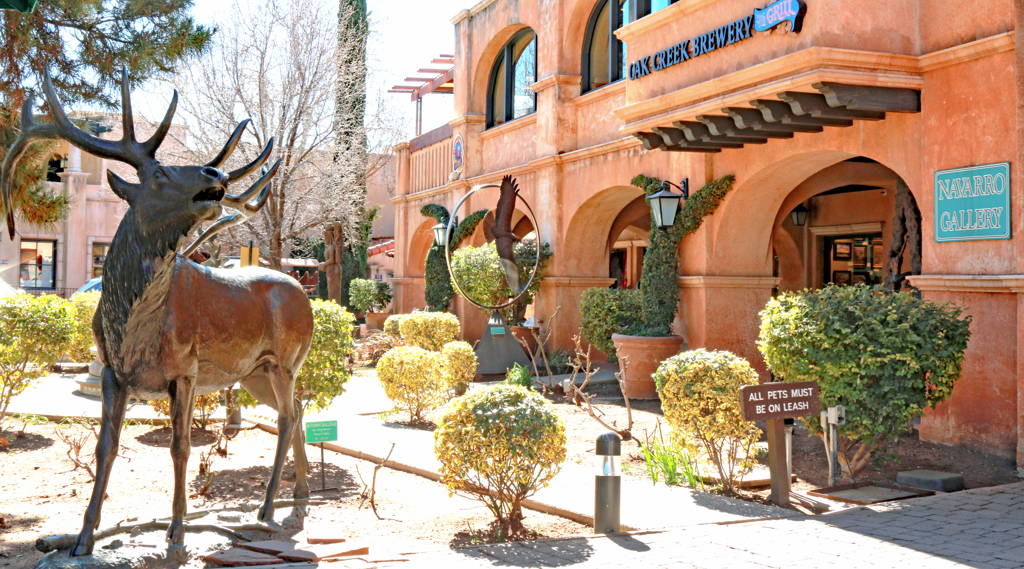
western art gallery Navarro Gallery Sedona Arizona

Commissioning a Custom Western Bronze Sculpture

Commissioning is one of the most personal ways to begin collecting bronze. Instead of choosing from existing editions, you collaborate with an artist on a piece that exists nowhere else. Many collectors commission portraits of beloved horses, ranch scenes, or tributes to someone who embodied the Western spirit. Others commission public sculpture for a campus or community.

My career includes 42 public art projects, and each began with a conversation about subject and place. The cowboy statue at the University of Wyoming shows how a commission can honor a community for generations. Private commissions follow the same path: share an idea, review a concept, and refine it until the piece is ready for the foundry. Because every commission is unique, timelines and costs depend on the work itself. The first step is simply to start talking.

Explore Western Bronzes at Navarro Gallery Fine Art

Navarro Gallery Fine Art has grown into a full gallery experience in Sedona, Arizona, rooted in monumental bronze and the American West. The physical location sits in the Tlaquepaque Arts & Crafts Village with a sculpture garden where monumental works stand in natural light. Visitors can circle large bronzes outdoors and then see smaller pieces and wall-hanging sculptures inside. Experiencing a sculpture in person remains the best way to understand its presence.

The gallery also represents artists working in oil paintings, watercolors, wood sculpture, jewelry, and photography, so collectors can pair a bronze with paintings and objects that share its spirit. The online gallery brings the same selection to collectors around the country. Browse current works, read about the artists, and contact us with questions. If you are in Sedona, stop in and walk the garden.

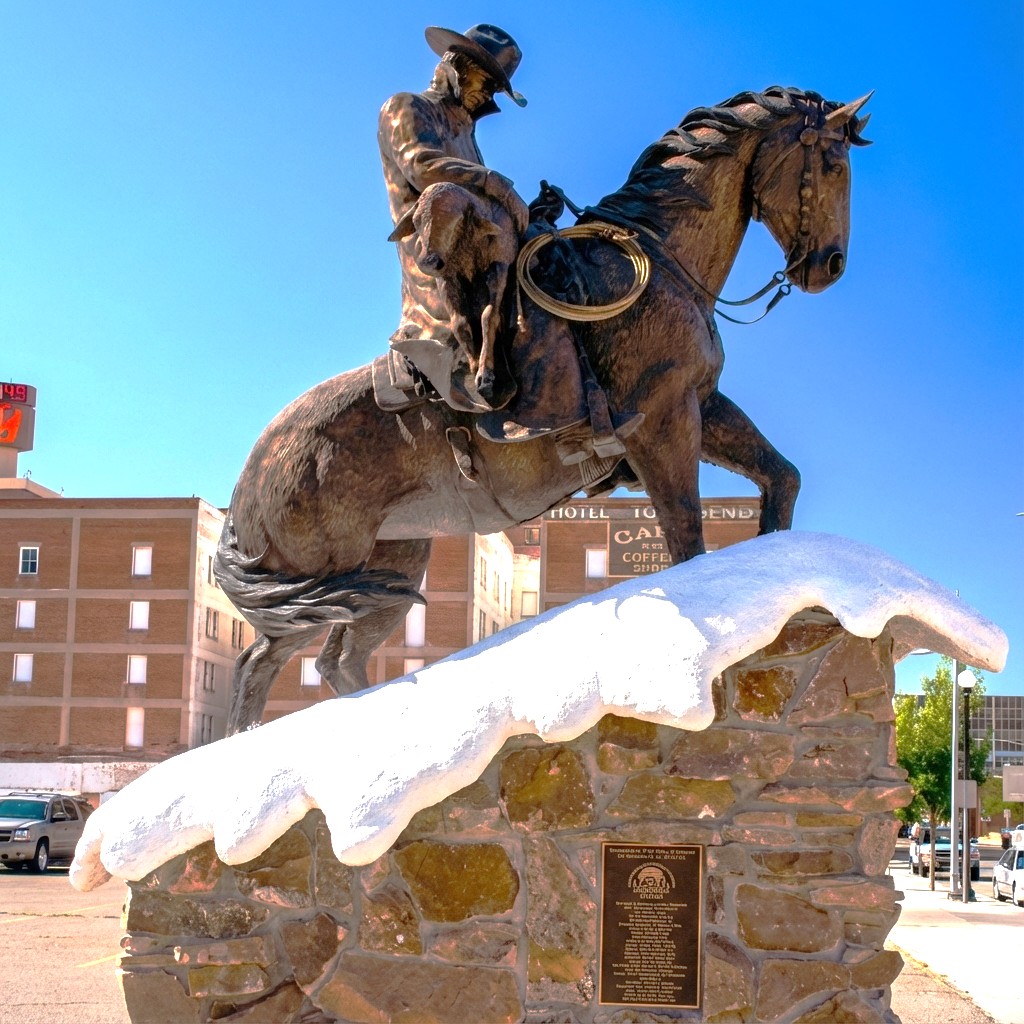
bronze sculpture patina 20% Chance of Flurries by Chris Navarro Casper Wyoming

Begin Your Search With Confidence

Buying your first Western bronze should feel exciting, not intimidating. Let the emotional pull of a subject guide you, then let the practical details confirm your choice. Confirm the edition, request the certificate, study the patina, and ask every question that comes to mind. When those pieces line up, you are not simply acquiring an object. You are bringing home a piece of the American West that will carry its story for generations.

Frequently Asked Questions

How can you tell if a bronze sculpture is real?

Start with the paperwork. A genuine limited edition bronze should come with a signed certificate of authenticity and clear information about the edition from the artist or gallery. Ask which foundry cast the piece and whether it is an original cast bronze rather than a bronze-finished reproduction. Reputable sellers answer these questions openly. If a price seems too good to be true, slow down and verify before you buy.

Are bronze statues worth anything?

Yes. A bronze sculpture's value depends on the artist's reputation, the edition size, the quality of the casting and patina, the condition of the piece, and demand among collectors. Works by historic figures such as Remington and Charlie Russell, along with original pieces by respected contemporary sculptors, can hold significant value. For first-time buyers, the wiser approach is to collect what you love from a trusted source and treat appreciation as a possible bonus.

What is the average cost of a western bronze sculpture?

There is no single average because the market covers so many categories. Smaller decorative pieces can sell for a few hundred dollars, original limited editions generally command more, and monumental works for public spaces can reach six figures. At Navarro Gallery Fine Art, our collection ranges from approximately $300. for smaller works to over $100,000 for monumental sculptures, so first-time collectors have genuine options no matter their budget.

Can I commission a custom western bronze sculpture?

Yes. A commission lets you collaborate with an artist on a one-of-a-kind piece, whether the subject is a horse, a ranch scene, or an honorific portrait. The process begins with a conversation about your idea, after which the artist develops a concept for your approval. Because each project is unique, the timeline and cost depend on its size and complexity. Contact the gallery to discuss what you have in mind.

What are some famous bronze cowboy statues?

Some of the most recognized cowboy bronzes come from the era of Remington and Charlie Russell, and the Bronco Buster remains one of the most widely reproduced Western sculptures ever created. Contemporary sculptors have continued that tradition into the modern era. The monumental Wyoming Cowboy I created for the University of Wyoming stands as one recent example of the classic subject finding new life in bronze.


Read More

8/20/2026 5:36:36 PM

Windborne Wyoming Mustangs — A Wall of Renewal by Chris Navarro

Chris Navarro / Comment on this

On a stretch of Esterbrook Road in Wyoming, a new kind of public art now stands watch over the entrance to the Wyoming Rescue Mission Recovery Ranch. Windborne Wyoming Mustangs is a mural like no other. It rises eight feet tall and stretches 120 feet long, and across its surface, 40 mustangs gallop in a single, powerful wave of motion. The canvas for this mural was not stretched cotton or prepared wood. It was born from retired wind turbine blades, the massive, curved sections that once turned in the Wyoming wind. For sculptor Chris Navarro, those blades became an invitation to create something lasting, hopeful, and deeply tied to the landscape around him.

Retired Wind Turbine Blades Find a Second Life

Wind turbine blades are engineered to endure years of strong wind and harsh weather. That durability makes it difficult to retire gracefully. When blades come down from service, they are often seen as waste. Navarro saw a different possibility. The Windborne Wyoming Mustangs sculpture was created from discarded wind turbine blades, and those blades now carry one of the most striking murals in the state.

The retired blades are getting a second life thanks to the artist's vision. Instead of fading into an industrial graveyard, they became the surface for a herd of running mustangs painted at full gallop. The choice of material is central to the artwork's message. Something built to withstand the elements was given a new purpose, proving that even the most stubborn objects can be transformed.

The Wall of Renewal Takes Shape

The project carries a name that captures its deeper meaning: the Wall of Renewal. The title points to the idea that things once considered used up or cast aside can be made new again. That theme runs through every part of the project, from the recycled blades to the people who helped build it.

The finished mural stands eight feet high and measures 120 feet in length. Forty mustangs gallop across the blades, and the artwork is described as a powerful symbol of strength and hope. For a place devoted to second chances, the symbolism feels perfectly placed.

The sculpture was also designed to work as a functional snow fence. Installed to protect the entrance to the Wyoming Rescue Mission Recovery Ranch, it does practical work while it tells a visual story. In Wyoming, where winter weather can be severe, a piece of art that doubles as infrastructure earns its place in the landscape.


Why the Mustang Matters in Wyoming

Mustangs are woven into the identity of Wyoming and the American West. The Bureau of Land Management manages 14 wild horse herd management areas in Wyoming, covering nearly 5 million acres. Those areas are home to roughly 2,566 animals, a living reminder that wild horses still move across the high plains.

The mustang represents freedom, endurance, and a spirit that refuses to be contained. By painting 40 of them at full gallop, Navarro turned the mural into a study of motion and energy. The horses appear to fly across the blades, running without a fence to stop them. In that sense, the mural mirrors the story of renewal at the heart of the project.

A Community Effort at the Recovery Ranch

The Wall of Renewal was not built in isolation. The construction of the sculpture was helped by Wyoming Rescue Mission residents who were once homeless and struggling with joblessness and drug addiction. These residents are now getting back on their feet, working to find a new purpose as productive members of society.

Their participation gave the project a profound human dimension. A sculpture made from discarded blades, built by people building new lives, standing at the entrance to a recovery ranch. The layers of meaning stack naturally. This is not art that simply hangs on a wall. It was made by a community, for a community, and its creation was as meaningful as its final form.

Navarro has described the journey to this moment as a long road. Reaching the finish brought a sense of completion that went beyond the satisfaction of a job well done. The mural is a testament to persistence, both for the artist who refused to give up on unusual material and for the residents whose own journeys require the same kind of patience and resolve.

A Permanent Place on Esterbrook Road

Windborne Wyoming Mustangs opened to the public on September 3 at Art 321, giving visitors a look at the completed mural. The public art now stands at the entrance to the Wyoming Rescue Mission Recovery Ranch on Esterbrook Road in Esterbrook, Wyoming, where it greets everyone who arrives.

For those who live nearby, the mural is a daily landmark. For those traveling to the ranch for recovery services, it is a sign of hope before they even step inside. For art lovers, it is proof that creativity can find a home in the most unexpected materials.


The Wall of Renewal is a fitting name for this project. It speaks to the power of transformation: the discarded becoming beautiful, the lost finding purpose, and a community coming together to build something that will stand for years. The mustangs gallop on, and their story continues.

The Windborne Wyoming Mustangs mural is located 30 miles south of Douglas Wy at the entrance to the Wyoming Rescue Mission Recovery Ranch on Esterbrook Road in Esterbrook, Wyoming. It is a public art installation that also serves a practical purpose as a functional snow fence, protecting the ranch entrance while welcoming visitors with its 40 galloping mustangs.

The mural stands eight feet tall and stretches 120 feet long. Across that large surface, 40 mustangs gallop across the reclaimed wind turbine blades that form the artwork. The piece is designed to be seen from a distance, with the full herd reading as one continuous wave of motion and energy.

The mural is painted on discarded wind turbine blades that were retired from service. Instead of being thrown away, the blades were repurposed as both the canvas and the structure for the sculpture. This choice gives the artwork its alternate name, the Wall of Renewal, because it transforms something discarded into something beautiful and useful.

Construction of the mural was helped by Community volunteers and Wyoming Rescue Mission residents who were once homeless and struggling with joblessness and drug addiction. Now getting back on their feet, these residents worked to find a new purpose as productive members of society. The project became a true community effort with deep meaning for everyone involved.

The Windborne Wyoming Mustangs sculpture was completed on August 2, 2026. The public art now stands permanently at the entrance to the Wyoming Rescue Mission Recovery Ranch on Esterbrook Road, where it continues to serve as a symbol of strength and hope.


Film maker Anthony Stengel winner of  three Emmys is producing a documentary about Windborne for Wyoming PBS.

https://www.chrisnavarro.com/page/50882/windborne-wyoming-mustangs-mural-project  More information 


Read More

8/13/2026 2:57:12 PM

About Chris Navarro — Bronze Sculptor

Chris Navarro / Comment on this

Chris Navarro Art Bio

Chris Navarro is a name collectors of Western art know well. For nearly four decades, he has shaped clay, wax, and molten bronze into powerful images of cowboys, Native Americans, and the wildlife of the American West. His sculptures do not whisper for attention. They demand space, sky, and light, which is why so many of them stand as monumental public works.

Today, his art anchors Navarro Gallery and Outdoor Sculpture Garden in Sedona, Arizona, where more than 90 bronze sculptures fill the indoor and outdoor spaces. This is his story: a Wyoming cowboy, a rodeo rider, and a self-educated artist who became one of the most recognized monumental bronze sculptors in the country.

A Wyoming Cowboy with Rodeo Roots Chris Navarro was born in 1956 and grew up in the culture of the American West. He is, by his own account, a true Wyoming cowboy, a team roper, and a former bull and bronc rider. Before he ever picked up sculpting tools professionally, he knew what it felt like to sit on the back of a bull and to compete in the arena.

His path took him across the Atlantic when his father, a career Air Force officer, was transferred to Europe. Navarro graduated from high school in Madrid, Spain, then returned to Wyoming to attend Casper College. He came to Casper, WY to rodeo at Casper College. After college, he pursued a career in rodeo, hoping to make it as a professional rider.

That rodeo life gave him something no art school could do. He developed a deep, physical understanding of the cowboy, the horse, and the motion of the arena. Years later, when he began sculpting, those memories gave his work an authenticity that is hard to fake. He sculpts them from a life he lived.

Chris Navarro is a self-educated, award-winning sculptor. He has been sculpting professionally since 1986. There were no formal degrees in bronze casting on his path, no long apprenticeship under a master sculptor. Instead, he brought the same determination he once carried into the rodeo arena and applied it to clay and wax.

Learning to sculpt means learning the full cycle of bronze work. The artist starts with an original model in clay or wax, builds the armature, works the surface until the gesture feels right, and then follows the piece through the casting process. Navarro mastered each stage through practice and persistence.

Over time, that education paid off. His work has earned national awards, and Navarro is now recognized as a national award-winning artist. His reputation grew piece by piece, commission by commission, until his monumental bronzes became fixtures in museums and public spaces across the country.

Navarro's sculptural style is often described as monumental, and that is fitting. He is best known for large public sculptures, many of them larger than life. The themes that anchor his body of work include:

Western and cowboy subjects rooted in his rodeo background

Wildlife of the American West

Native American figures and cultural stories

Inspirational pieces designed to lift the spirit

"In 2026, Navarro completed the Windborne Wyoming Mustangs mural project — a 120-foot sculpture built from discarded wind turbine blades, painted with 40 running mustangs by Wyoming Rescue Mission residents and community volunteers. For Navarro, it captured what he cares about most: turning what was cast aside into something with hope and purpose."

There is a consistent thread through all of it: motion. A bronc bucking, a rope flying, a horse mid-stride. Navarro captures split seconds of action and freezes them in bronze. His figures feel alive because he understands anatomy, balance, and the way weight shifts during movement.

His Western pieces honor the working cowboy and the rodeo athlete. His wildlife pieces celebrate the animals of the American West with the same respect. His Native American works carry a sense of history and dignity. And his inspirational pieces speak to something larger, which is why many collectors say his art feels emotional as much as it feels decorative.

Monumental Public Works and Museum Collections

The scale of Navarro's career is visible in his public work. More than 42 monumental bronze sculptures have been placed throughout the country. His work is included in 12 museum collections, a mark of recognition that places him among respected contemporary Western artists. One of his well-known commissions is the University of Wyoming cowboy riding the famous bucking horse Steamboat. Wyoming Cowboy is a public piece that reflects his home state's ranching heritage. It is the kind of work Navarro is known for: a larger-than-life bronze that becomes part of the landscape and the identity of the place where it stands.

Public sculpture is a unique challenge. It has to work at a distance and up close. It must survive weather and time. And it must earn its place in the community. Navarro's monumental bronzes have proven they can do all three. They anchor plazas, campuses, and open spaces, inviting people to walk around them and see the West from every angle.

Navarro Gallery and Sculpture Garden in Sedona

"New to collecting?"  https://www.chrisnavarro.com/blog


Read More