Western Bronze Sculptures for Sale
Western Bronze Sculptures for Sale: A First-Time Collector's Guide
For more than forty years, I have watched collectors discover the pull of Western bronze sculpture. In my gallery and sculpture garden in Sedona, Arizona, people pause before a piece and lose themselves in a moment the artist chose to freeze in metal. Good Western sculpture does not just decorate a room. It brings a story into the space. If you are starting a collection, this guide can help you buy with confidence. Chris Navarro western bronzes for sale Western bronzes by Chris Navarro
The market for western bronze sculptures for sale is wider than most new collectors expect. There are desktop bronzes for a study, wall-hanging pieces, life-size statues for entryways and gardens, and monumental works for public spaces. Prices stretch from a few hundred dollars to six figures. That range means nearly every collector has an entry point.
I have spent four decades working in bronze and completed 42 public art projects. Commissions such as the cowboy statue at the University of Wyoming began with a powerful idea, the same place every collection starts. Here are the practical details I wish every first-time buyer knew.
Why Western Bronze Sculpture Endures
Western bronzes belong to one of the oldest traditions in American sculpture. Remington and Charlie Russell shaped the genre more than a century ago, and their subjects still appear in galleries through originals and reproductions. The cowboy and horse, including celebrated images such as the Bronco Buster, became a lasting visual language for the West, and contemporary sculptors carry it forward in editions honoring Native American heritage, frontier legends, ranchers, and wildlife.
Today the genre is remarkably broad. Collectors can find decorative bronze-finished pieces, reproductions mounted on walnut bases, and original limited editions by living artists.
Start with a Clear Picture of Your Collection
Choose the Setting
The best bronze purchase begins with an honest look at the room, entryway, garden, or office where the piece will live. A desktop sculpture suits a study or reception area. A larger original piece can anchor a living room. Monumental bronzes are built for the outdoors, where they hold their own against open sky. Wall-hanging bronzes offer another option for bringing Western art into a home without floor space for a freestanding piece.
Follow the Stories That Move You
Western bronze subjects include cowboys on bucking horses, riders at rest, Native American figures, frontier legends, and wildlife. There is no wrong starting point. Buy the piece that keeps pulling your eye back. When a sculpture stirs an emotional response the first time you see it, trust that reaction.
Set a Comfortable Budget
New collectors often feel unsure what to spend, and for good reason. At Navarro Gallery Fine Art, original works range from about $300. for smaller pieces to $110,000 for monumental sculptures. Whatever range feels right, be direct about your budget. An honest conversation helps a gallery point you toward pieces that fit your collecting goals.
What to Look For When You Shop
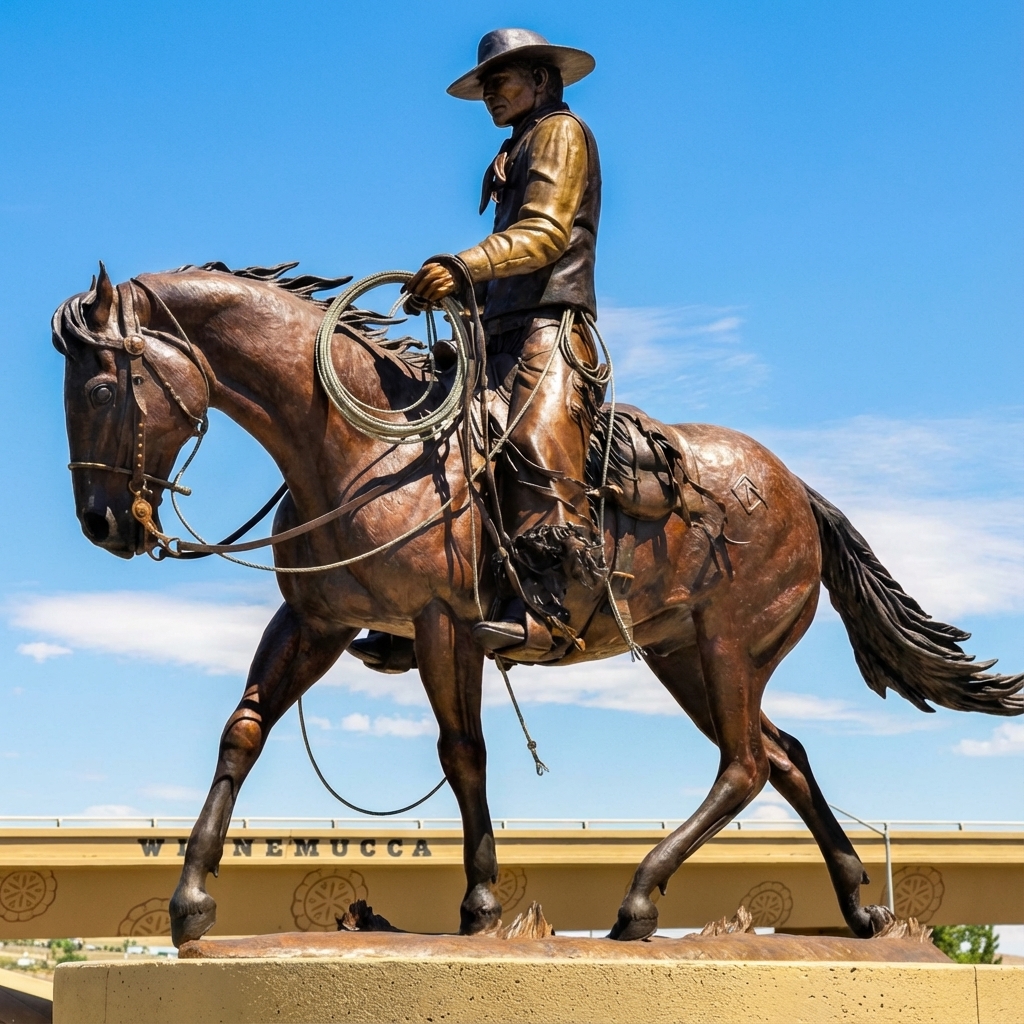
When you compare western bronze sculptures for sale, you are weighing the artistry of the design, the quality of the casting, and the integrity of the edition. New collectors often focus on subject first, but experienced buyers look at proportion, line, balance, and emotion. Get close to the piece. Study the horse's face, the drape of a rider's coat, the tension in a rope. In quality bronze, nothing feels accidental.
Limited Editions and Certificates of Authenticity
Original bronze sculptures are normally cast in limited editions with a fixed number of pieces. A reputable seller provides a signed certificate of authenticity for every limited edition. If a gallery cannot explain the edition size or supply that documentation, treat it as a warning. Original cast bronze is serious craft, and honest sellers put the facts in writing.
Examine the Patina
Patina is the color layer that finishes a bronze surface, ranging from warm earth tones to deep browns, greens, and subtle highlights. A beautiful patina is a large part of why bronze feels alive rather than merely metallic. Study how light plays across the surface. Be cautious with pieces described as bronze-finished, a phrase that often signals a decorative coating rather than a true patina.
Look at the Details
Walk around the sculpture when you can and notice how its silhouette changes. Examine hands, saddle leather, facial features, and hair. Are the edges clean? Does the horse's anatomy feel believable? When buying online, ask for close-up photographs or video from several angles so you can judge the craftsmanship before committing.
Questions to Ask Any Seller
A good gallery welcomes questions, and the answers tell you as much about the seller as the sculpture. Start here:
-
Is this an original limited edition or a reproduction?
-
How many pieces are in the edition?
-
Does it include a signed certificate of authenticity?
-
Was it designed for indoor or outdoor display?
-
What is the artist's background?
-
Do you accept commissions?
Original Bronze or Decorative Reproduction?
New collectors often meet the phrase bronze-finished. It describes objects that imitate bronze with surface coatings rather than pieces actually cast in bronze. Bronze-finished pieces can be attractive and affordable decor, but they are not original art. The market also includes reproductions of classic Remington and Charlie Russell subjects mounted on walnut bases. A reproduction can honor a historic design, yet it deserves a different price and place in a collection than an original edition.
The question every collector should ask is simple: am I buying original art, a tribute, or decor? Ask until the answer is clear. It will protect you from overpaying.
Commissioning a Custom Western Bronze Sculpture
Commissioning is one of the most personal ways to begin collecting bronze. Instead of choosing from existing editions, you collaborate with an artist on a piece that exists nowhere else. Many collectors commission portraits of beloved horses, ranch scenes, or tributes to someone who embodied the Western spirit. Others commission public sculpture for a campus or community.
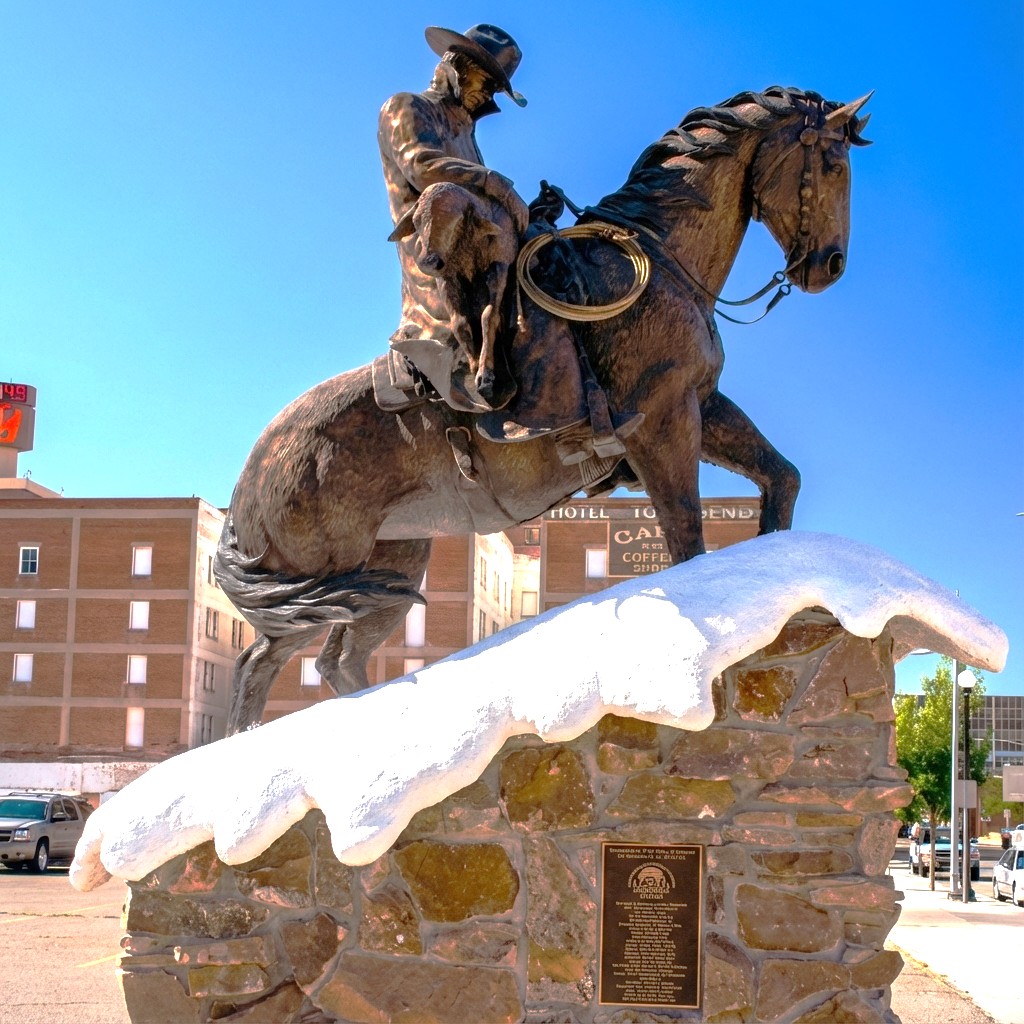
My career includes 42 public art projects, and each began with a conversation about subject and place. The cowboy statue at the University of Wyoming shows how a commission can honor a community for generations. Private commissions follow the same path: share an idea, review a concept, and refine it until the piece is ready for the foundry. Because every commission is unique, timelines and costs depend on the work itself. The first step is simply to start talking.
Explore Western Bronzes at Navarro Gallery Fine Art
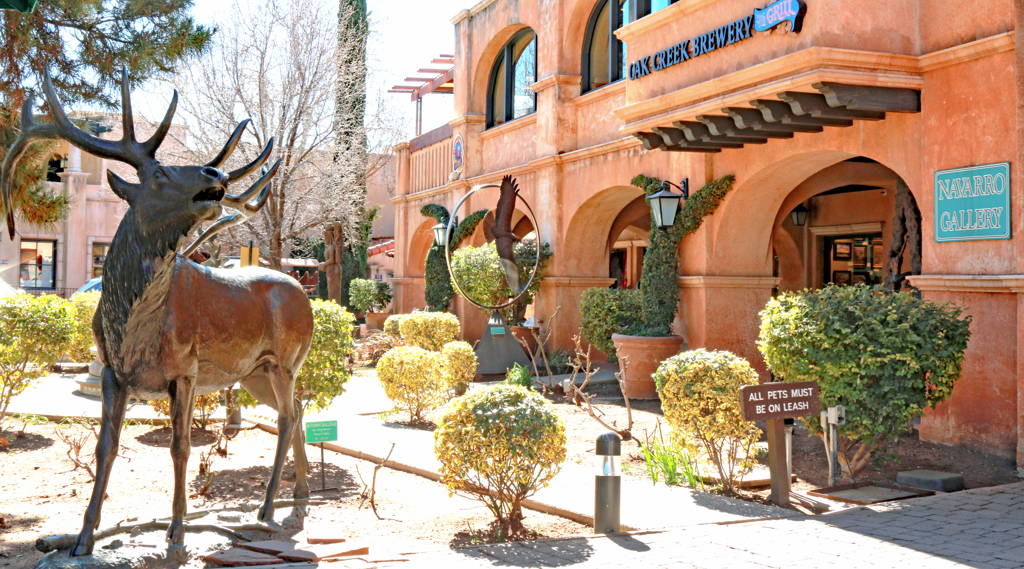
Navarro Gallery Fine Art has grown into a full gallery experience in Sedona, Arizona, rooted in monumental bronze and the American West. The physical location sits in the Tlaquepaque Arts & Crafts Village with a sculpture garden where monumental works stand in natural light. Visitors can circle large bronzes outdoors and then see smaller pieces and wall-hanging sculptures inside. Experiencing a sculpture in person remains the best way to understand its presence.
The gallery also represents artists working in oil paintings, watercolors, wood sculpture, jewelry, and photography, so collectors can pair a bronze with paintings and objects that share its spirit. The online gallery brings the same selection to collectors around the country. Browse current works, read about the artists, and contact us with questions. If you are in Sedona, stop in and walk the garden.
Begin Your Search With Confidence
Buying your first Western bronze should feel exciting, not intimidating. Let the emotional pull of a subject guide you, then let the practical details confirm your choice. Confirm the edition, request the certificate, study the patina, and ask every question that comes to mind. When those pieces line up, you are not simply acquiring an object. You are bringing home a piece of the American West that will carry its story for generations.
Frequently Asked Questions
How can you tell if a bronze sculpture is real?
Start with the paperwork. A genuine limited edition bronze should come with a signed certificate of authenticity and clear information about the edition from the artist or gallery. Ask which foundry cast the piece and whether it is an original cast bronze rather than a bronze-finished reproduction. Reputable sellers answer these questions openly. If a price seems too good to be true, slow down and verify before you buy.
Are bronze statues worth anything?
Yes. A bronze sculpture's value depends on the artist's reputation, the edition size, the quality of the casting and patina, the condition of the piece, and demand among collectors. Works by historic figures such as Remington and Charlie Russell, along with original pieces by respected contemporary sculptors, can hold significant value. For first-time buyers, the wiser approach is to collect what you love from a trusted source and treat appreciation as a possible bonus.
What is the average cost of a western bronze sculpture?
There is no single average because the market covers so many categories. Smaller decorative pieces can sell for a few hundred dollars, original limited editions generally command more, and monumental works for public spaces can reach six figures. At Navarro Gallery Fine Art, our collection ranges from approximately $300. for smaller works to over $100,000 for monumental sculptures, so first-time collectors have genuine options no matter their budget.
Can I commission a custom western bronze sculpture?
Yes. A commission lets you collaborate with an artist on a one-of-a-kind piece, whether the subject is a horse, a ranch scene, or an honorific portrait. The process begins with a conversation about your idea, after which the artist develops a concept for your approval. Because each project is unique, the timeline and cost depend on its size and complexity. Contact the gallery to discuss what you have in mind.
What are some famous bronze cowboy statues?
Some of the most recognized cowboy bronzes come from the era of Remington and Charlie Russell, and the Bronco Buster remains one of the most widely reproduced Western sculptures ever created. Contemporary sculptors have continued that tradition into the modern era. The monumental Wyoming Cowboy I created for the University of Wyoming stands as one recent example of the classic subject finding new life in bronze.

Leave a Comment