Champion Lane Frost Statue by Chris Navarro

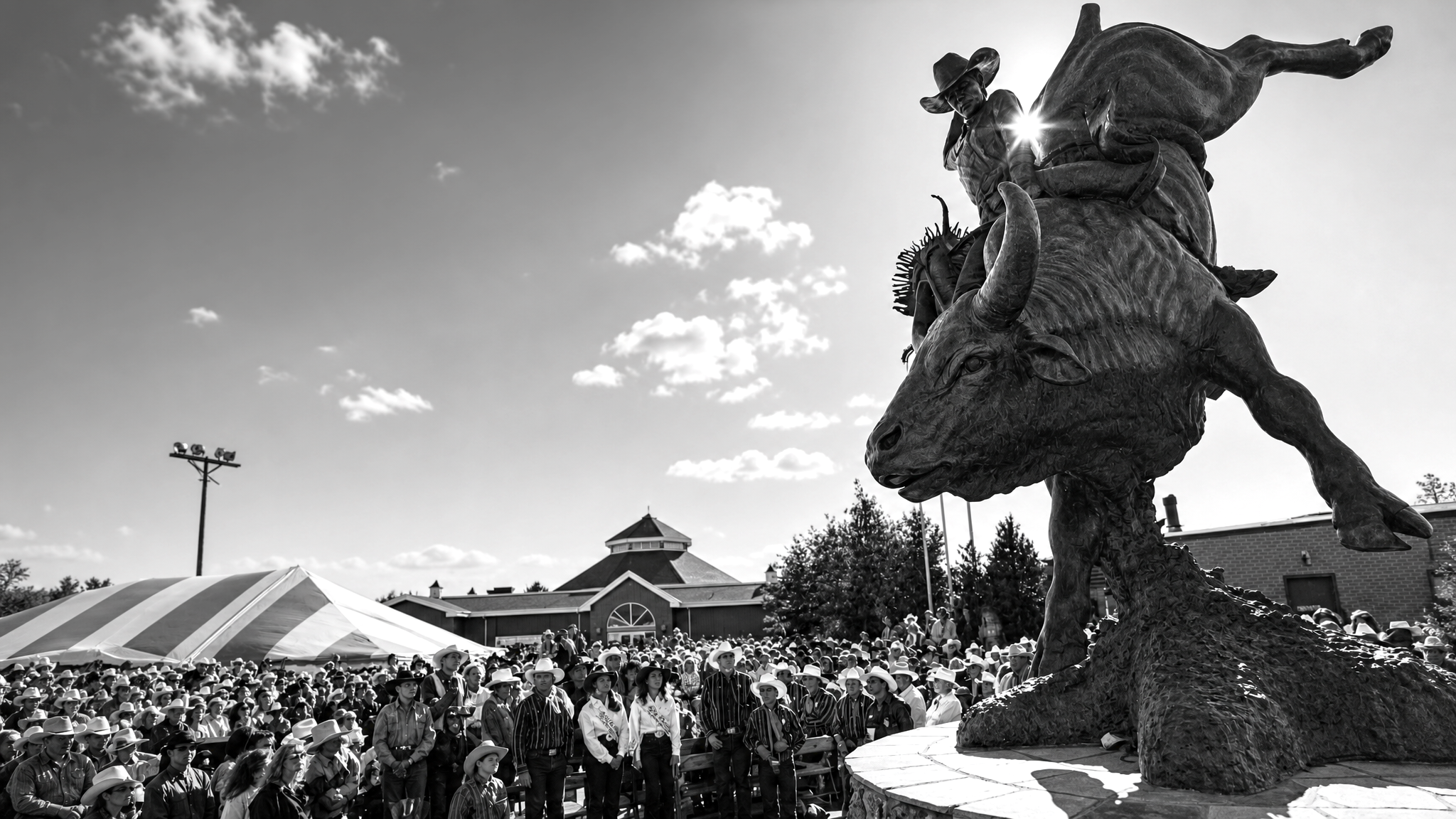
At the entrance to the Cheyenne Frontier Days Old West Museum in Cheyenne, Wyoming, a monumental bronze honors a young man who packed a lifetime of riding into twenty-five years. Chris Navarro's Champion Lane Frost has stood in that spot since it was dedicated on July 26, 1993. It measures fifteen feet by eleven feet by nine feet, which makes it one of the largest rodeo tributes in the country and one of the defining pieces in Navarro's career.
For rodeo fans, the monument is a place to stop and stand still for a minute. For collectors of Western bronze sculpture, it is a benchmark for what a single figure can carry emotionally at monumental scale. For anyone who has followed Chris Navarro's work, it is the piece that showed what a sculptor from Wyoming could do when handed a story worth telling at full size. This is the man, the ride, the bronze, and where you can see it.
Who Lane Frost Was
Lane Frost was a world champion bull rider, earning the title in 1987. That single line undersells him. Frost competed in an era when bull riding demanded a combination of balance, timing, and nerve that few riders could sustain across a full season, and he did it well enough to reach the top of the sport while still in his twenties. His name became shorthand for a certain kind of cowboy: quiet, focused, and completely unimpressed with his own reputation.
What set Frost apart was not just the wins. It was the way he carried himself around the bucking chutes and the way he talked about the bulls. Riders who came up alongside him describe a competitor who respected the animal as much as the score. That respect is part of why his story still circulates in rodeo culture more than three decades later, and it is part of why a bronze likeness of him felt necessary rather than decorative.
How Lane Frost Died
Frost lost his life at the age of twenty-five while competing at the 1989 Cheyenne Frontier Days. He was in Cheyenne doing what he had done hundreds of times before, and the sport lost one of its brightest names in the middle of its biggest summer event. The death rippled through rodeo in a way that few athlete losses ever have, partly because of his age and partly because Cheyenne Frontier Days is the kind of event where the whole rodeo family gathers.
That context matters when you look at the monument. This is not a generic tribute placed in an anonymous plaza. It stands at the site of a rodeo he loved, in a city that was part of the last chapter of his life. Visitors who know the history tend to approach the bronze differently than they approach most public art, and that is exactly what a memorial is supposed to do.
How the Monument Came to Be
The Lane Frost statue was self-commissioned, which means it came together through the commitment of people who wanted it to exist rather than through a standard public art selection process. The finished bronze was dedicated on July 26, 1993, roughly four years after Frost's death. Chris Navarro was the sculptor, and the piece became one of his best known monumental works.
If you have spent time around public sculpture, you know that a self-commissioned monument usually carries a different energy than a committee-driven one. There are fewer compromises. The proportions stay honest. The composition is allowed to be direct instead of clever. Champion Lane Frost reads that way. It is a straightforward image of a rider, and its power comes from restraint.
Inside the Sculpture: Scale, Design, and Meaning
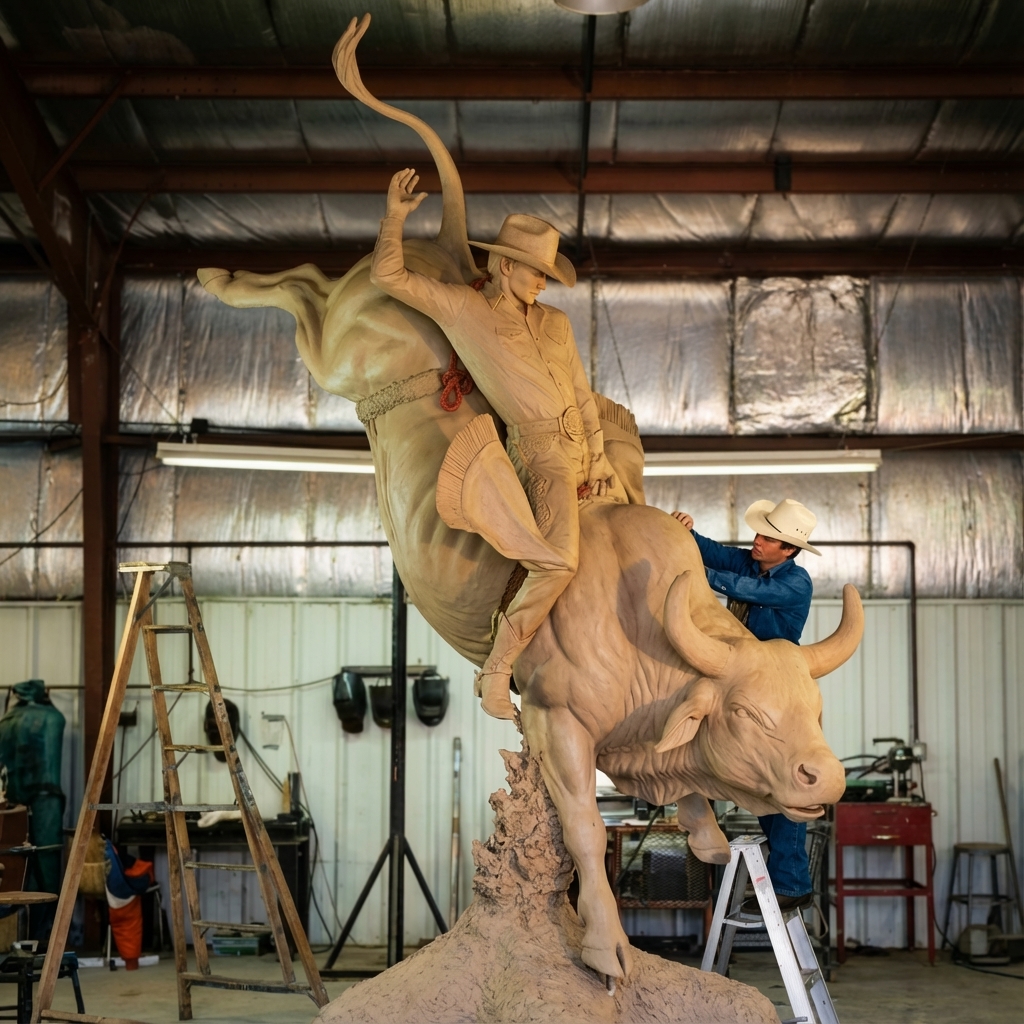
The monumental bronze is fifteen feet by eleven feet by nine feet. That scale is the first thing people notice in person. Photographs flatten it, but standing beside the base, you register how much air the figure occupies and how the piece was built to be seen from a distance across a rodeo grounds as well as up close.
Navarro has written that a quote from Lane has a simple truth. "Don't be afraid to go after what you want to do and what you want to be. But don't be afraid to be willing to pay the price." — Lane Frost Those words still move him. That pairing of image and language is a signature of how Navarro handles tribute pieces. He is not interested in bronze as decoration. He is interested in bronze as a way to hold a person's voice in place so it can keep speaking to whoever walks up next.
Visitors often ask whether the monument was cast as a one-off. The answer is yes for the monumental version, which is why the Cheyenne piece functions as a landmark. Bronze editions at smaller sizes are a separate thing entirely, and Navarro's studio produces those as collectible works rather than as duplicates of the public monument.
Where to See the Lane Frost Statue
The monument is located at the entrance to the Cheyenne Frontier Days Old West Museum in Cheyenne, Wyoming, on the grounds of Frontier Park. It is also documented in the Cheyenne and Laramie County public art collection, which means it has been formally recognized as part of the community's permanent cultural inventory rather than treated as a temporary installation.
Because it sits at the museum entrance, it is one of the easier pieces of public art to visit during a Cheyenne trip. You can pair it with the museum's own collections and with whatever is happening on the rodeo grounds. Hours, admission, and event schedules change from season to season, so check directly with the Cheyenne Frontier Days Old West Museum before you plan your day around it.
A Smaller Champion Lane Frost Bronze
Collectors who want the piece in their own home should know that a smaller bronze edition of Champion Lane Frost exists within Chris Navarro's body of work. It is listed at fourteen inches by nine inches by six inches, which puts it in the range of a mantel or entry table piece rather than a garden installation. It sits in the same Western bronze sculpture family as the monumental work, just at a human scale.
Availability on edition bronzes shifts as pieces find homes, so the practical move is to check the gallery for current inventory or reach out and ask what is on hand. If you are building a collection around rodeo and Western subjects, this is one of the more meaningful pieces you can add, because the subject carries a story that most bronze figures simply do not have.
More of Chris Navarro's Work in Sedona
Navarro's public commissions extend well beyond Lane Frost. His monumental sculptures include the Champion Lane Frost at Cheyenne Frontier Days, a life-size T. Rex for the Tate Museum in Casper, Wyoming, a sixteen-foot-tall bronze, and a cowboy statue commissioned for the University of Wyoming. A sculptor who can move between a rodeo champion, a dinosaur, and a campus landmark is not working in a single lane, and that range is part of what draws collectors to him.
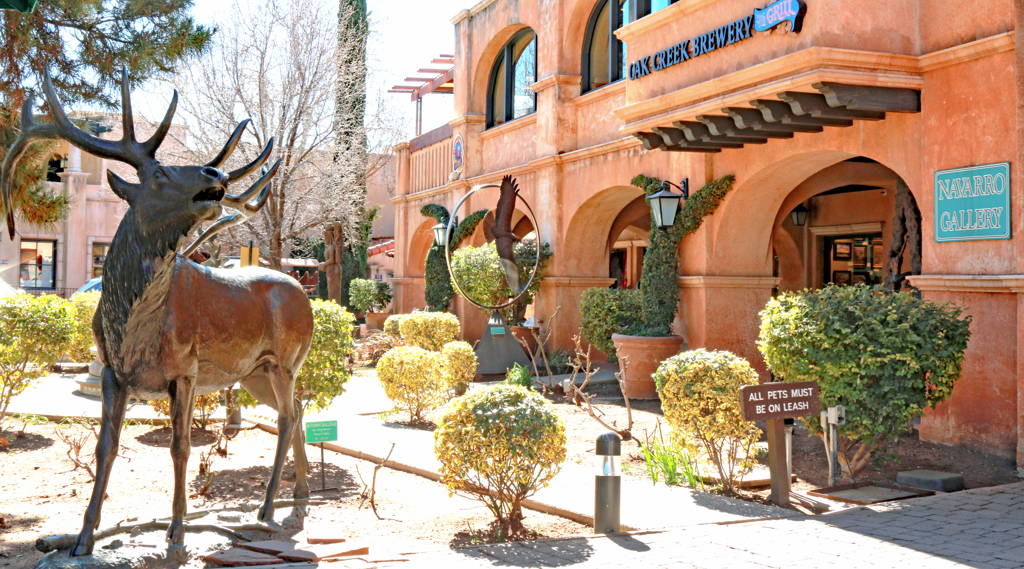
If you want to see the breadth of it in person, Navarro Gallery Fine Art in Sedona, Arizona is the place. The gallery sits at Tlaquepaque Arts and Crafts Village and includes a sculpture garden where large bronzes can be viewed outdoors the way they were meant to be seen. Alongside Chris Navarro's own Western, wildlife, Native American, and inspirational work, the gallery represents other artists working in oil, watercolor, wood sculpture, jewelry, and photography.
Original work at the gallery spans a wide range, from a few hundred dollars for smaller pieces up to six figures for major bronzes, so there is a legitimate entry point for someone buying their first piece as well as for established collectors. If a Cheyenne visit is not in your near future, a stop in Sedona is the next best way to understand how a monument like Champion Lane Frost comes out of a working studio.

Why This Bronze Still Matters
Public sculpture succeeds or fails on whether people choose to return to it. The Lane Frost memorial has been drawing visitors since 1993, and much of that staying power comes from how little it tries to do. There is no crowd of figures, no heavy symbolism, no plaque doing the emotional work for you. There is a rider, in bronze, at the entrance to a museum dedicated to the sport that shaped him.
For a collector, that is also the argument for owning a Navarro bronze. The same discipline that keeps a fifteen-foot monument from becoming busy is what makes the smaller works hold up on a shelf year after year. Whether you are planning a trip to Cheyenne, browsing Western bronze sculptures for sale, or simply want to stand in front of a piece that has outlasted everyone's expectations, Champion Lane Frost is worth the detour.
Frequently Asked Questions
Where is the Lane Frost statue located?
The monument stands at the entrance to the Cheyenne Frontier Days Old West Museum in Cheyenne, Wyoming, on the Frontier Park grounds. It has been in place since its dedication on July 26, 1993, and it is also listed in the Cheyenne and Laramie County public art collection. Check the museum's current hours and event schedule before your visit, since Frontier Park gets busy during rodeo season.
Who sculpted the Lane Frost monument in Cheyenne?
Chris Navarro created the bronze, which is titled Champion Lane Frost and measures fifteen feet by eleven feet by nine feet. The project was self-commissioned rather than awarded through a public art selection process. It remains one of Navarro's best known monumental works, alongside a life-size T. Rex for the Tate Museum in Casper, Wyoming and a cowboy statue for the University of Wyoming.
When was the Lane Frost statue dedicated?
The bronze was dedicated on July 26, 1993, about four years after Lane Frost lost his life at the age of twenty-five while competing at the 1989 Cheyenne Frontier Days. The placement at the Old West Museum entrance was deliberate, putting the memorial at the site of the rodeo where his career ended and where the sport still gathers each summer.
Can I buy a smaller Lane Frost bronze by Chris Navarro?
Yes, a smaller bronze edition of Champion Lane Frost is part of Navarro's body of work, listed at fourteen inches by nine inches by six inches. Because edition bronzes sell over time, availability changes, so contact Navarro Gallery Fine Art in Sedona, Arizona to ask what is currently on hand and to confirm pricing for the piece you have in mind.
Where can I see more of Chris Navarro's sculpture?
Navarro Gallery Fine Art in Sedona, Arizona displays his bronze work along with pieces by other represented artists. The gallery is located at Tlaquepaque Arts and Crafts Village and includes a sculpture garden for viewing larger bronzes outdoors. A visit there is the most direct way to see the range of Navarro's Western, wildlife, Native American, and inspirational work outside of his public commissions.
Read More

 At the entrance to the Cheyenne Frontier Days Old West Museum in Cheyenne, Wyoming, a monumental bronze honors a young man who packed a lifetime of riding into twenty-five years. Chris Navarro's